


Understanding Eating Disorders in Teens: What Parents Need to Know

Updated: Sep 16, 2025
By Dr. Natalie Hutchins, based on a conversation with clinical psychologist Anneliese Lai from The Women's Handbook podcast
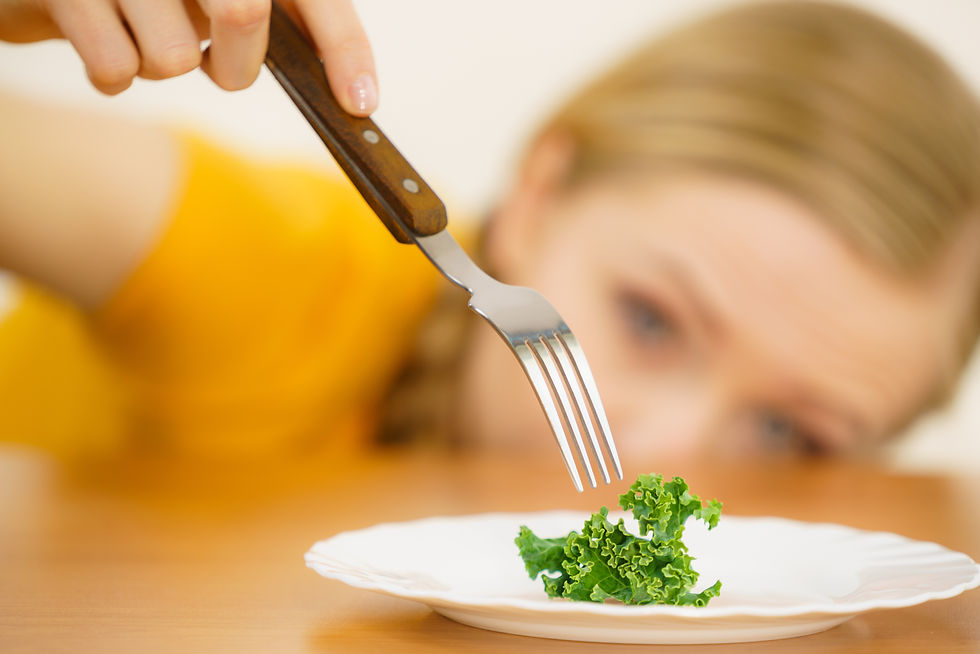
Eating disorders among teenagers are on the rise, with hospital admissions nearly doubling in the last decade. As parents and caregivers, it's more important than ever to understand the signs, risk factors, and ways to support our teens. Based on a conversation between Dr. Natalie Hutchins and clinical psychologist Anneliese Lai from the Women's Handbook podcast, here’s a comprehensive look at eating disorders in teens, how they present, and what we can do to help.
What Are Eating Disorders?
While anorexia is often the most recognized eating disorder due to its visibility in the media, it is just one part of a broader spectrum. Eating disorders are a group of conditions marked by unhealthy relationships with food, weight, and body image. The main types include:
Anorexia nervosa: Characterized by self-starvation and excessive weight loss.
Bulimia nervosa: Involves cycles of binge eating followed by purging.
Binge Eating Disorder: Repeated episodes of eating large quantities without purging.
Other Specified Feeding or Eating Disorders (OSFED): The most common, involving symptoms that don’t fit neatly into the above categories (for example, “atypical” anorexia where someone exhibits all the symptoms but isn’t underweight).
Myth Buster: A teen doesn’t have to be underweight to have an eating disorder. Many suffer while appearing to be a “normal” weight—which is often missed by even medical professionals.
Why Are Eating Disorders Increasing in Teens?
Anneliese Lai highlights several contributing factors:
Diet culture and the glorification of thinness are longstanding issues.
Social media amplifies comparison and self-esteem challenges, exposing teens to endless “What I eat in a day” videos and pro-anorexia content.
Life stressors like family instability, bullying, or trauma can drive the desire for control—often channeled into food.
For teens, especially girls, the pressure to look a certain way begins earlier and can intensify with friendship drama, comparison, and a desire to fit in.
Warning Signs: What Should Parents Look For?
Eating disorders often emerge subtly. Here are some red flags:
Changes in Thinking:
Becoming rigid or obsessive about food (“I shouldn’t eat carbs/sugar”)
Competitive eating—constantly comparing portions with others
Collecting recipes, frequently watching food-related videos, or cooking/baking but not eating
Emotional Changes:
High anxiety around eating or mealtimes
Feelings of guilt or shame related to food
Behavioural Changes:
Skipping meals or “saving up” calories for later events
Restrictive eating, compensatory exercise, or even laxative use
Significant weight loss or weight fluctuations
Isolating from friends or family, especially at meals
Even if your teen is not underweight, be alert for patterns of restrictive or disordered eating—these are strong risk factors for full-blown eating disorders.
Why Do Teens Develop Eating Disorders?
Eating disorders are rarely just about food or appearance. As Anneliese explains, they’re often coping mechanisms:
Control: Teens might feel their lives are chaotic—controlling their eating helps create “certainty.”
Coping with trauma: Family issues, moving, neglect, or bullying can play a major role.
Attachment and relational issues: Difficulties in primary relationships (often with parents or friends) are commonly at the root.
Eating disorders can provide teens with a sense of comfort or even security at a time when everything else feels unstable.
Helping Your Teen: What Can Parents Do?
Stay Calm and Present
If you notice signs, manage your own emotional response. Teens need you to be a steady, calm presence amid their inner chaos. Express unconditional love and acceptance—especially when they’re not at their best.
Avoid Blame
Eating disorders are illnesses, not choices or failures. Diet culture’s influence is everywhere, and no parent is perfect. Focus on support, not guilt.
Encourage Communication
Foster an environment where your teen feels safe expressing thoughts and feelings. Repair rifts by listening, apologizing if needed, and showing consistent care.
Seek Professional Help Early
Early intervention is key. Engage a team that can include your GP, a psychologist, and possibly a psychiatrist. Recovery rates are much higher when action is taken early.
Model Healthy Behaviors
How you talk about food, dieting, and your own body impacts your children. Reflect on your own attitudes and avoid labeling foods as strictly “good” or “bad.”
Expand Support Networks and Focus Areas
Help your teen discover activities and interests unrelated to appearance—sports, art, volunteering. Building self-esteem outside of looks is powerful.
Boys Get Eating Disorders Too
It’s a myth that eating disorders are exclusive to girls. Research shows boys are similarly affected, though their obsessions may focus more on leanness or muscle. Social norms may make it easier for boys to hide their struggles.
Social Media: Friend or Foe?
Social media can foster both negative and positive influences. Curate your teen’s online environment, encourage them to follow positive, body-neutral accounts, and teach social media literacy. Gradual exposure to freedom and regular check-ins can help.
Bottom Line: Recovery Is Possible
With the right support and early intervention, most teens can and do recover from eating disorders. Relapses can happen, especially during stressful times, but a return to healthy coping skills helps prevent long-term illness.
“It’s never too late to reconnect with your teen,” says Anneliese. “No matter your starting point, small steps and open conversations make a big difference.”
Further Resources:
Source: “How To Be a Woman” Podcast, Episode 1 with Dr. Natalie Hutchins and psychologist Anneliese Lai
